
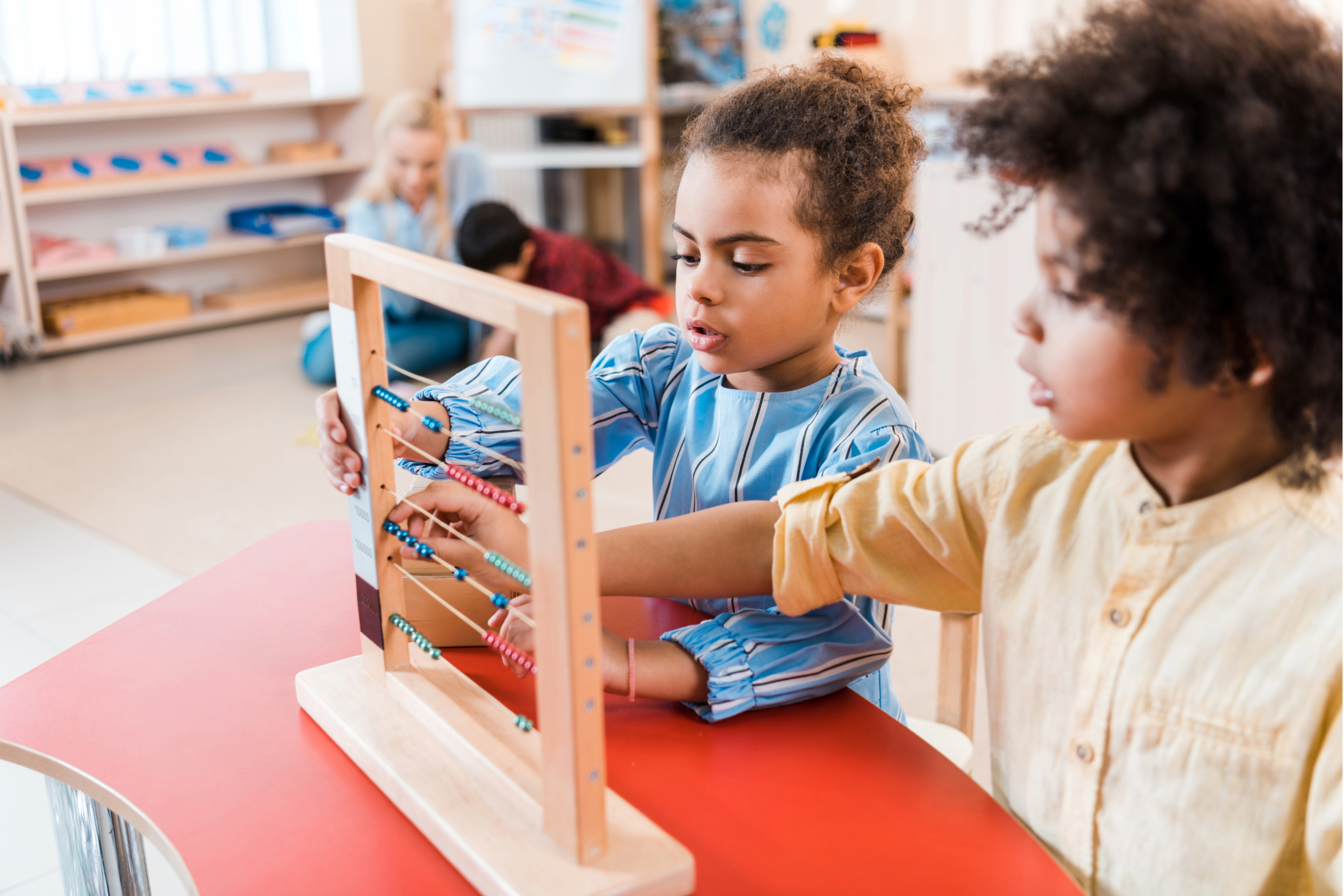
Learn how play-based learning nurtures essential skills like socialization, creativity, and emotional development in young children.
As parents, we aim to provide our children with the tools they need to succeed, and one of the most impactful ways to do that is through play-based learning, especially in a STEM-focused environment such as Rent My Tutor’s Little Innovators Academy. Play is far more than just entertainment; it’s a dynamic approach to nurturing essential skills that prepare children for future challenges. Let’s dive into how play-based learning at a STEM facility can help develop critical skills in young children and why it’s an invaluable part of their education.
1. Cognitive Development: Problem-Solving and Innovation
STEM-focused play inspires children to think critically and approach problems creatively. Activities like building structures, coding games, or experimenting with science kits teach them to:
- Analyze situations
- Experiment with different solutions
- Innovate and make decisions
For instance, assembling a simple robot encourages children to troubleshoot and refine their ideas, fostering problem-solving skills and out-of-the-box thinking that are essential in STEM fields.
2. Collaboration and Communication Skills
STEM play often involves teamwork, which helps children learn to collaborate and communicate effectively. Group projects like designing a model bridge or conducting a simple science experiment teach skills such as:
- Sharing ideas and materials
- Resolving conflicts
- Working toward a common goal
By participating in these activities, children also learn to listen to others’ perspectives and articulate their own thoughts clearly, skills that are vital in any team-oriented setting.
3. Emotional Growth: Resilience and Adaptability
STEM challenges during play often involve trial and error, helping children build resilience. When a tower collapses or a robot doesn’t function as planned, children learn to adapt, persevere, and try again. This process fosters emotional growth, teaching them to manage frustration and celebrate achievements.
Role-playing in STEM activities, such as pretending to be engineers or scientists, also helps children explore emotions and build self-confidence in their abilities.
4. Physical Development: Fine and Gross Motor Skills
Hands-on STEM activities support both fine and gross motor skill development. Tasks like constructing models or manipulating small parts improve fine motor coordination, while outdoor STEM play, such as creating a pulley system, engages larger muscle groups. These activities strengthen coordination and dexterity while making physical learning fun and engaging.
5. Building STEM Literacy: Early Exposure to STEM Concepts
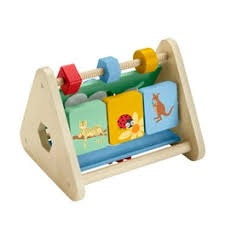
Play-based learning at a STEM facility introduces children to foundational concepts in science, technology, engineering, and math. Through activities like exploring magnets, coding with toys, or measuring ingredients for experiments, children:
- Develop curiosity about how things work
- Gain basic math and science skills
- Build an understanding of technology in everyday life
This early exposure fosters a love for STEM fields and builds confidence in their ability to tackle complex topics in the future.
6. Encouraging Independence and Confidence
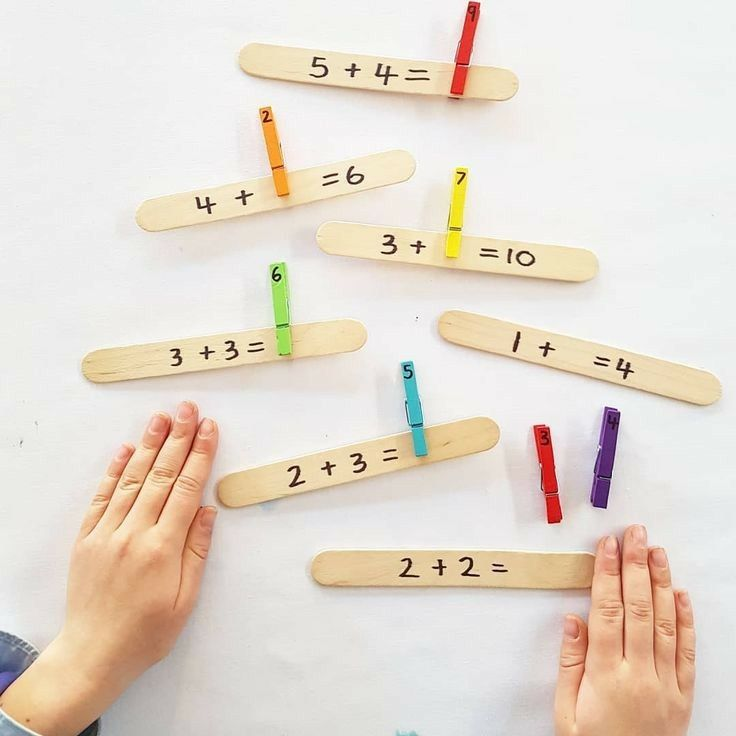
STEM play allows children to take ownership of their learning. Whether they’re designing their own experiment or programming a simple game, children gain independence and confidence as they see their ideas come to life. This sense of accomplishment reinforces their belief in their abilities and inspires them to explore further.
How to Maximize Play-Based Learning at a STEM Facility
As parents, you can enhance your child’s experience with these tips:
- Choose STEM-Focused Toys and Activities: Encourage play with age-appropriate STEM kits, robotics sets, or coding apps.
- Visit STEM Facilities Regularly: Enroll your child in programs or camps at Rent My Tutor’s Little Innovators Academy, where they can access resources and guidance.
- Encourage Curiosity: Support your child’s questions and experiments, even if they’re messy or unconventional.
- Celebrate Effort: Focus on the learning process rather than just the outcome to build resilience and a growth mindset.
Final Thoughts
Play-based learning at Rent My Tutor’s Little Innovators Academy, combines fun and education to develop critical skills in young children. From problem-solving and collaboration to emotional resilience and STEM literacy, these experiences lay the groundwork for a lifetime of learning and exploration. By fostering a playful yet structured approach to STEM, you can help your child build the skills they need to thrive in a rapidly evolving world.
Let’s embrace the power of STEM play and set the stage for a brighter future!

Leave a Reply